Engineering a Compliant, High-Volume Production Line Data center OEMs building CRAC/CRAH units, precision air handlers, and high-capacity chillers are dealing with two things at once in 2026: fast growth in AI-driven cooling demand and the EPA’s Technology Transitions...
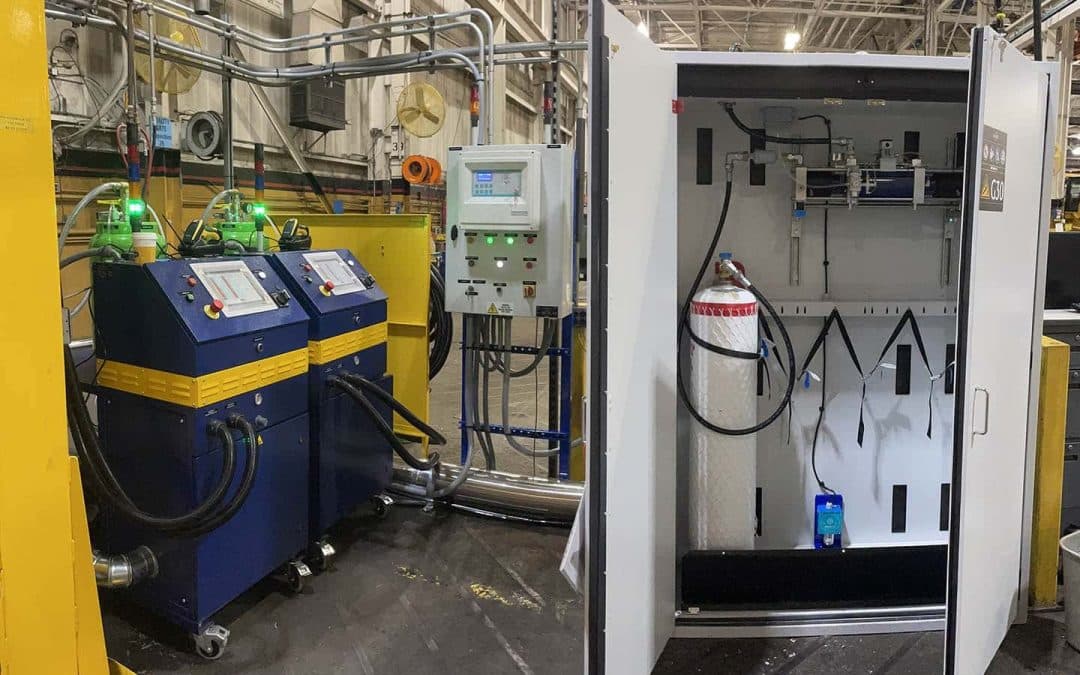
Automotive manufacturing is undergoing a fundamental shift in refrigerant technology. As OEMs transition vehicle thermal management systems from legacy R-134a to next-generation options, R290 (propane) has emerged as a compelling choice for manufacturers prioritizing...
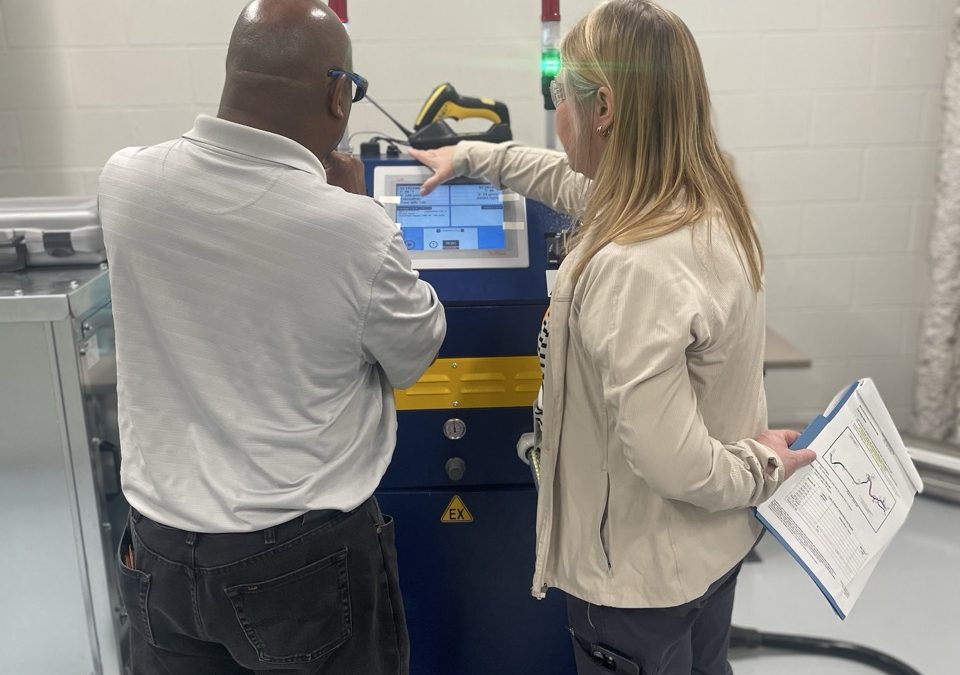
For the Manufacturing Engineer, leak detection is the intersection where production efficiency meets facility safety. As the industry standardizes on next-generation refrigerants—specifically A2L (mildly flammable) and A3 (highly flammable) classes—leak detection...
Comparative Detection LimitsThe “Helium Economics” ProblemThe Hydrogen AdvantageReal-World Cost ComparisonStick with Helium if:Switch to Hydrogen if: For decades, Helium (He) has been the industry standard for pressure leak testing in HVACR manufacturing...
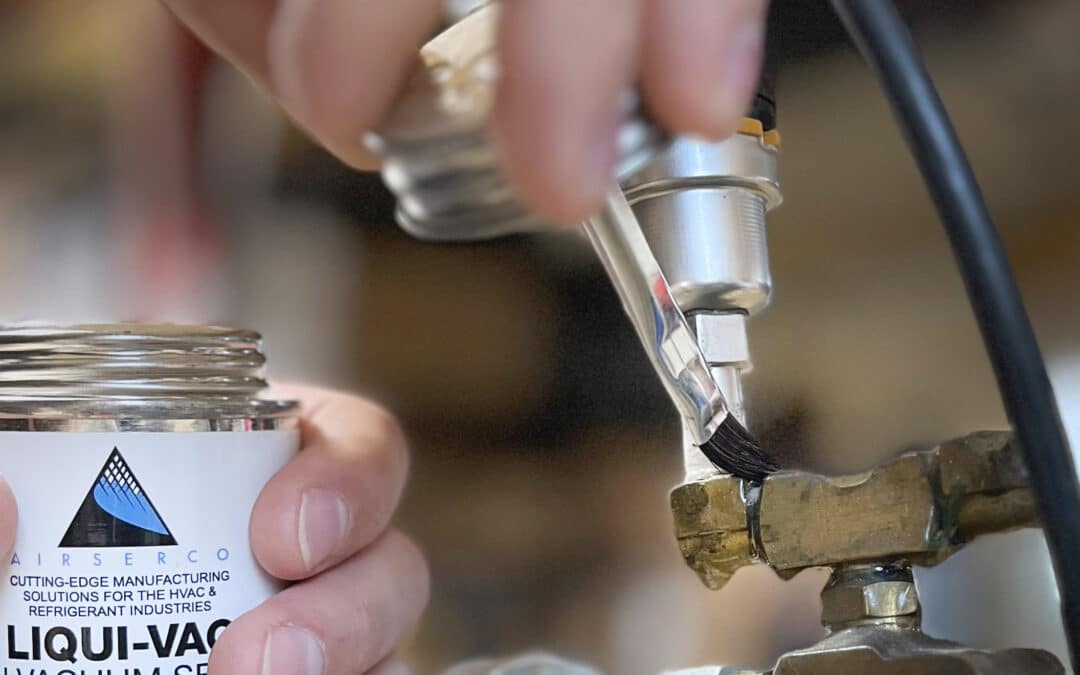
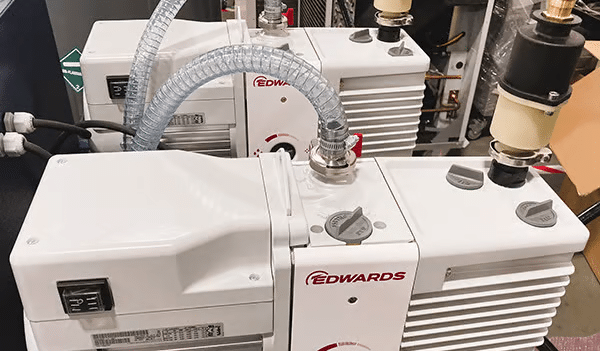
The vacuum pump has been running fine for months. Then one morning, it won’t pull below 800 microns. The hoses check out. The connections are tight. The gauge is calibrated. The problem isn’t mechanical—it’s the oil. Vacuum pump oil is easy to...